How Collaborative Robots Are Solving the Welder Shortage
The U.S. welding workforce is facing a critical shortage: tens of thousands of positions remain unfilled nationwide, as experienced tradespeople retire faster than new welders can be trained. At the same time, demand for welded components continues to climb, driven by growth in automotive manufacturing, infrastructure, construction, and metal fabrication.
For many companies, the result of this welding labor shortage is a bottleneck: limited labor capacity, rising overtime costs, and delayed production schedules. The gap between available workers and industrial demand has become one of the most significant constraints on U.S. manufacturing competitiveness.
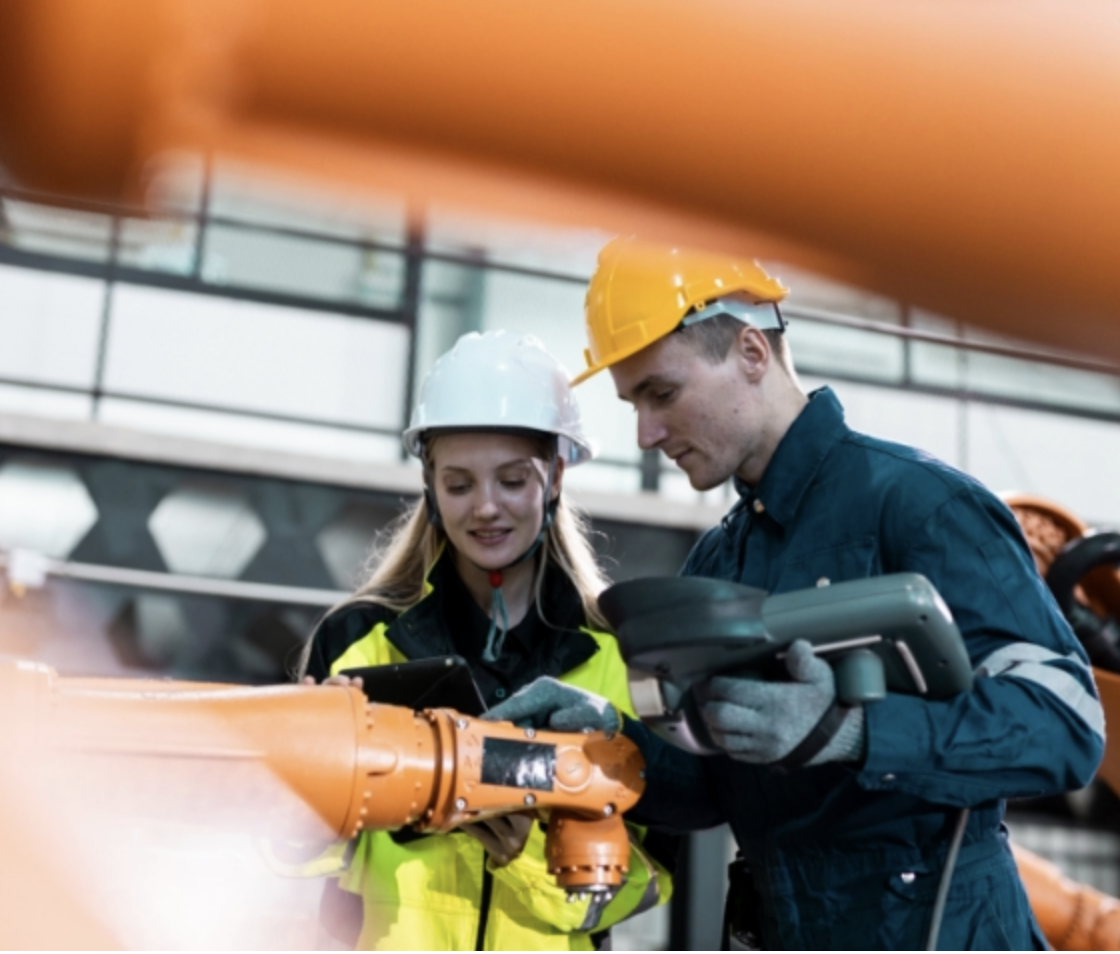
Enter collaborative robots, or cobots. Designed to work alongside humans, cobots are helping bridge the labor gap by handling repetitive or hazardous tasks while skilled welders focus on craftsmanship, setup, and quality control. Rather than replacing tradespeople, they amplify their capabilities...keeping production lines running smoothly and safely, even with smaller crews.
Below, we'll share how they're filling labor gaps today in real-world industries, and what their role will look like in the future.
The Growing Welding Labor Shortage
The shortage of qualified welders isn’t a temporary downturn; it’s a long-term challenge that’s already reshaping the manufacturing landscape right now. So, what do you need to know about the shortage right now?
Aging Workforce, Shrinking Pipeline
Across the United States, a generation of experienced welders is nearing retirement age. Meanwhile, younger workers are pursuing careers in technology, computer programming, or service industries rather than entering the trades. This demographic shift has left fewer apprentices entering certification programs, creating a widening gap in skilled labor.
Increasing Productivity Demands and Production Line Demands
Even as the workforce shrinks, production volumes are increasing. Manufacturers in automotive, aerospace, and construction sectors are under constant pressure to deliver faster lead times and higher quality. Meeting these expectations with fewer welders places significant strain on operations and limits scalability.
The Economic Cost of Unfilled Roles Across Many Industries
When welding positions go unfilled, production stalls. Facilities face rising overtime expenses, missed delivery dates, and growing supply chain inefficiencies. The impact extends beyond a single factory floor; it affects contractors, suppliers, and downstream customers who depend on consistent output.
The welder shortage is no longer cyclical; it’s now structural. Solving it requires innovation that blends human expertise with advanced automation, ensuring that production goals can still be met despite the workforce gap.
Why Collaborative Robots are the Ideal Welding Solution for Manufacturing Automation
Collaborative robots are not a replacement for welders. They’re a force multiplier. By taking on repetitive, high-volume work, cobots allow skilled tradespeople to focus on complex joints, setup, and inspection. The result is higher throughput, improved safety, and more efficient use of every available worker.
Here are the benefits of leveraging cobots for manufacturing automation:
- Continuous Production: Cobots work without fatigue, maintaining steady output even during second shifts or weekends. Their reliability helps balance workloads when staffing levels fluctuate.
- Easy to Program: Modern cobots feature intuitive touch interfaces and simple drag-and-drop commands. Welders can train, adjust, and deploy robots quickly ... no programming degree required.
- Consistent Weld Quality: Built-in sensors, seam tracking, and real-time feedback ensure precise welds across every part. Cobots eliminate variability, reduce scrap, and improve first-pass yield.
- Safer Work Environments: Cobots handle hot metals, awkward positions, and repetitive motions that often cause strain or injury. This allows welders to focus on oversight rather than exposure.
- Scalable Support: Cobots can be redeployed across multiple welding operations, adapting to demand without requiring new staff or large capital expansions.
Together, these benefits enable manufacturers to maintain productivity, quality, and safety, even as the available workforce continues to shrink.
Real-World Industries Already Seeing Cobots Reduce Waste and Reduce Errors
Collaborative welding robots are proving their value across diverse industries. Each sector faces unique challenges, yet all benefit from cobots’ consistency, precision, and adaptability. By implementing automation, manufacturers across the U.S. are finding ways to overcome the ongoing welding labor shortage while maintaining throughput and quality.
Cobots are Already Transforming These 5 Sectors
1. Metal Fabrication and Contract Manufacturing
For small and mid-sized shops, cobots make it possible to run manufacturing automation efficiently on a smaller budget. They enable fixed automation where consistency is key, but remain adaptable enough to switch between jobs or materials. The result is higher capacity and a faster return on every welding solution invested in.
2. Automotive Manufacturing
In automotive facilities, robotic systems now perform arc welding, laser joining, and other welding tasks on frames, battery trays, and subassemblies. These cobots help automate production processes with precise control and speed, reducing downtime and human error while maintaining strict quality requirements. For automotive companies under constant pressure to produce products at scale, cobots provide the reliability that manual-only systems can’t match.
3. Heavy Equipment and Agriculture
In the agricultural industry, welds must withstand punishing use, and cobots deliver repeatable strength and accuracy. They excel at joining large weldments, thick steel plates, and long seams—handling work that once demanded multiple human employees per station. This form of hard automation eliminates bottlenecks, reduces rework, and delivers the same durable results on every shift.
4. Construction and Infrastructure
On large construction and infrastructure projects, flexible automation helps bridge the workforce gap. Cobots can move easily between manufacturing processes, handling prefabricated steel, beams, and frames before installation. By automating repetitive tasks, they allow welders to focus on inspections and specialized fabrication, supporting both safety and increased productivity.
5. Aerospace and Defense
Few sectors require tighter tolerances than aerospace and defense. Here, programmable automation and intelligent sensing ensure flawless weld integrity. Cobots perform high-precision operations that meet stringent industry standards, ensuring automated systems can handle everything from lightweight alloys to complex geometries without defects.
The bottom line is that automotive plants and small fabrication shops alike are seeing cobots keep production lines moving and weld quality consistent ... even when skilled labor is scarce.
How Cobots Support and Elevate Human Welders
Cobots don’t replace welders. They empower them. The goal of these new programs and solutions in automation is to extend the capabilities of every skilled professional on the floor by creating a balanced partnership between precision machinery and human expertise.
Why Cobots are a Force Multiplier for Your Employees
- Skill Amplification: Cobots act as production partners, enabling a single welder to manage multiple automated systems at once. They magnify output and allow teams to hit production goals without additional headcount.
- Reduced Fatigue: Cobots take on repetitive or high-heat tasks, easing physical strain and improving retention among experienced workers.
- Faster Onboarding: Because cobots are intuitive to operate, new technicians quickly learn both traditional and robotic manufacturing processes, speeding up training and productivity.
- Career Growth: Automation introduces new career pathways, from robot programming to maintenance and system integration, broadening what a welding career can look like.
By transforming welders into operators, programmers, and leaders, cobots create a bridge between traditional craftsmanship and advanced manufacturing automation.
Want to Start Welding with Cobots? At Melton Machine & Control Company, We're Leading the Shift
With over 55 years of experience in welding automation and robotic systems design, Melton Machine & Control Company leads the industry in performance and reliability. Our expertise spans material handling systems, manufacturing automation, and inspection, creating seamless integration across every aspect of production.
We understand both traditional and collaborative systems, combining flexible automation with engineered precision to deliver consistent, scalable results. Every Melton project reflects our guiding principle: “A solution that works for you because it was made for you.”
From initial consultation to full deployment, our engineers focus on building durable, intelligent systems that adapt as your business grows, delivering measurable improvements in quality, safety, and uptime. Contact our team today and start a conversation about your manufacturing needs.
Start a Conversation with the Melton Today
The welding labor shortage is one of the defining challenges of modern manufacturing, but collaborative robots offer a proven, scalable answer. By combining human skill with robotic precision, your manufacturing operation can achieve sustainable growth, higher efficiency, and stronger safety standards.
Start a conversation with Melton today to explore collaborative welding solutions designed for the future of your operation.